

The Nostalgia Trap

Why do we always look backwards? Lately, it feels like everything is a nod to the past. It’s like We—marketers, advertisers, strategists, creators—are stuck in this bubble, too scared to look forward and actually shape the future. Yes, I know trends are cyclical and often resurface, and of course, the past can be a great source of inspiration. But I can’t help but wonder if nostalgia has become a crutch. And whether it’s stopping us from creating something new?
Before the internet, creativity felt more organic. You had to go outside, experience things, and pull references from the world around you. Now? Most brands are caught in a loop, recycling nostalgia instead of pushing things forward. Think about it. The endless Disney live-action remakes. The constant rebirth of grime-led activations. The overused Y2K aesthetic. Nostalgia isn’t just influencing culture; it’s running it.
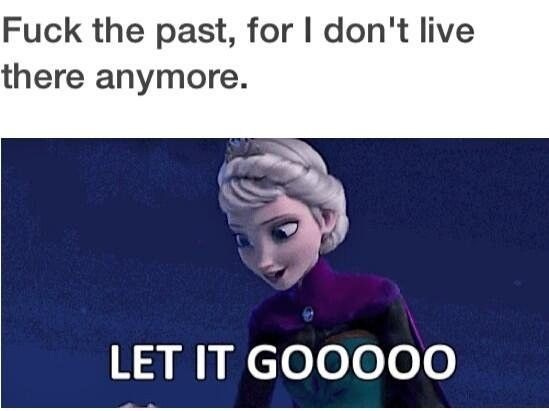
I can’t help but wonder what things would look like if we let it go? What if we stopped looking back and broke free from the Nostalgia Trap? What if we killed Nostalgia…
What Is the Nostalgia Trap?
The Nostalgia Trap, as I see it, is the over-reliance on past aesthetics, memories, and cultural touchpoints to drive consumer engagement, emotional connection, and brand loyalty. Without even realising it, we’ve seen this play out repeatedly: Adidas reviving the Gazelle trainers with Kate Moss (just as they did 25 years ago), Pepsi bringing back Crystal Pepsi from 1992 (To celebrate their 30th anniversary, they invited fans from the 1990s to enter a competition for a chance to win a bottle), Disney remaking hyper-realistic CGI films (The Lion King, Lilo & Stitch Cars and so forth). The list goes on.
Of course, nostalgia works; it’s a marketing goldmine. As consumers, we’re naturally drawn to it because it taps into fond memories and transports us back to a time when life felt simpler. The process is fairly linear: a brand activates, the audience re-engages as their memories are being triggered, and the desired outcome (whether awareness, consideration, or conversion) is often positive. However, if you rely too heavily on old data that doesn’t reflect today’s inclusivity and diversity, how do you effectively appeal to new audiences? Consumer preferences, cultural dynamics, and societal values have evolved significantly, and brands that rely too heavily on outdated insights risk alienating emerging demographics while reinforcing obsolete narratives.
Far from a modern obsession, this longing for the past has existed for centuries. Philosophers like Rousseau saw nostalgia as a yearning for lost purity—an idealised past when things felt “pure” and untouched by modern complexities. In his book, Reveries of a Solitary Walker, he reflects on how progress, particularly in technology, leads to corruption, prompting people to romanticise a simpler time.
Look at how London’s austerity influences our collective nostalgia, back in the good ol’ days, when ice cream was 99p from the van, when Afroswing was at its peak, when Prada cups were £195 in Bicester Village, and when youth clubs, community centres and libraries were thriving. “Anytime a brand makes a reference to the past whether intentionally or unintentionally they capitalize on our emotional triggers of a simpler time in London. Consider the example of Chip’s freestyle collaboration with GRM Daily in 2024, filmed in a corner shop to promote his upcoming album, Grime Scene Savior (set to release in 2025). The visuals were slick, and the sentiment hit all the right notes for grime fans; when I skimmed through the YouTube comments, they were overwhelmingly filled with Millennials reminiscing about the old days. It felt like the campaign missed the mark with younger audiences, highlighting a disconnect between nostalgic grime elements and Gen Z’s evolving tastes.
What About the Next Generation? If Gen Z is the next wave of consumers who don’t genuinely connect with these nostalgic references, are they being left out of the conversation? I recall speaking to a mentee about events such as Culture Clash, expecting excitement. Instead, she shrugged: “It doesn’t resonate with me. I have no recollection of Culture Clash since I was too young,” she said. She wanted something new. Even some of the artists involved, she had no clue who they were, which was rattling because the impact it made that weekend was unmatched (shoutout to Red Bull). However, it got me thinking: do we even know what Gen Z actually likes? Are we really tapped into where they’re spending their time and how they’re engaging with stuff?
It feels like sometimes we’re recycling nostalgia because it guarantees profit and engagement with an older audience. Rather than paying attention to what new-gen audiences are into now. It’s like we’re stuck in this mindset that what worked for Millennials will automatically work for Gen Z, too. This isn’t true; what worked for millennials won’t always translate sadly. Maybe we need to dig a bit deeper, figure out their vibe, and develop campaigns that make sense to them instead of leaning on legacy hype. For me, this is where the problem lies. Many of the decision-makers running these brand campaigns grew up in a completely different era when the world was different, priorities were different, and music genres like grime were defining moments.
So, how do we change this? Admittedly, I’m not sure, but I do think building something new takes time, and I’ve witnessed some brands successfully do this.
However, not every brand is caught in the nostalgia loop. Some are breaking free and shaping culture in real time. Take a look at MSCHF, the disruptive art collective. Whether it’s the Big Red Boots or the Gobstomper trainers, they aren’t rehashing the past. They’re challenging what a “product” can be. It’s important to note that not everyone will understand it at first. The results may not make sense immediately. But if it’s good and continuous, eventually, it will click. Even in music, you have artists like PinkPantheress, who references the past but doesn’t live in it. She borrows elements of Garage and Drum & Bass, but reinvents them in a way that feels distinctly 2024. Brands should take note. Nostalgia can be a tool, but it shouldn’t be the entire playbook.

I’m not saying nostalgia is inherently bad. It provides continuity and cultural grounding. The key is balance.
To do nostalgia right, you have to nod to the past without stealing its whole flow. Some people have executed this well. For example, Slow Jams With A allows people to enjoy old-school music through the lens of new-school DJs or look at how Nike collaborated with Corteiz on the Air Trainer Huarache x Corteiz for Nike Air Max 10. They revived classic silhouettes from our childhood but made subtle changes to make them fresh. This aligns with Virgil Abloh’s 3% Rule, a design principle that encourages innovation by tweaking existing ideas rather than entirely reinventing them. According to Harvard Business Review (2023), brands that co-create with their audience have five times higher engagement than those that rely solely on heritage-based storytelling. The real challenge isn’t looking back—it’s creating something new that resonates with today’s audience while still honouring the past.
So, where do we draw the line? I don’t have the answers, but trust me; I wish I did. What I do have are questions—a lot of them. This is just the first of many What Ifs because, honestly, I’m tired of the cycle. We critique brands for their choices, but how often do we push the conversation forward? How often do we shape the future instead of just reacting to the past?
So what are ways we can move forward?
Rebuild your reference points - Most creative teams pull from the same moodboards, the same Tumblr and Pinterest core imagery, the same cultural shorthand. The result: sameness disguised as nostalgia. The fix: Rewire your inputs.
Go to places algorithms can’t take you, local exhibitions, community markets and underground events. Learn to find references in life, not online.
Build creative teams who don’t share the same cultural nostalgia. Age diversity, location diversity, class diversity.
Shift from replication to reinterpretation - Nostalgia doesn’t have to mean regression. You can still reference the past without replaying it. The fix: Apply the “3% Rule” in spirit.
Take something old and add a layer that couldn’t have existed then and a new perspective, a new technology, a new story.
Think of it like sampling in music: it only works if your flip is harder than the original. Treat the past as raw material, not as the blueprint.
Co-create with the next wave - You already clocked it: Gen Z aren’t nostalgic for what they didn’t live. But they are nostalgic for the early internet, DIY culture, unfiltered truth. The fix: Let them in early not as focus groups, but as creative collaborators.
Hand them the mic. Commission Gen Z photographers, sound designers, coders, storytellers and people shaping culture now, not reminiscing about it.
Create open-source campaigns where audiences can remix, reinterpret, and respond, so nostalgia becomes a conversation, not a rerun.